Choose the role of the dark color
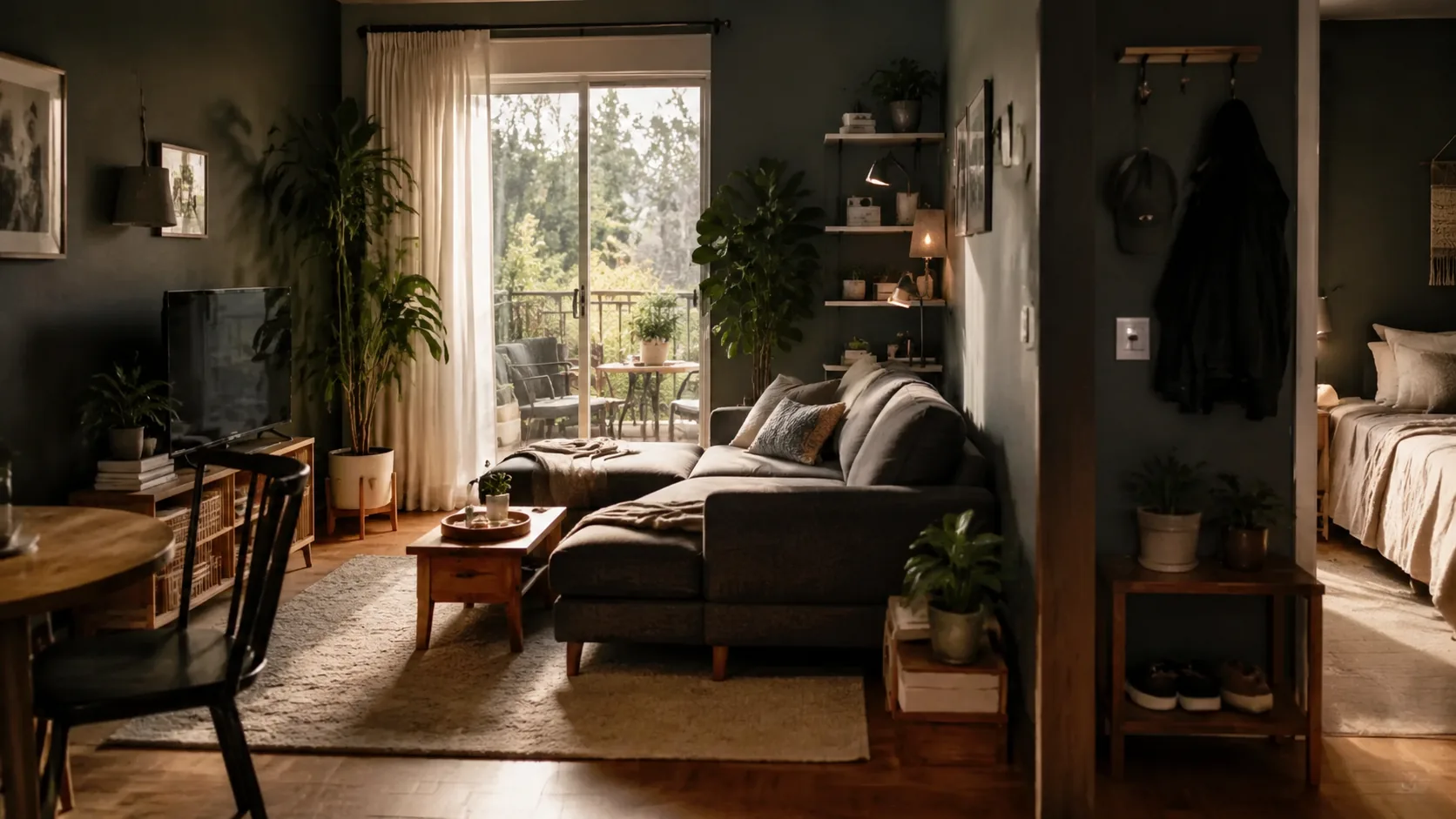
Dark paint can make a compact room feel grounded, yet a poorly chosen placement can erase edges and make daily tasks harder to see. Photograph the room in morning, afternoon and lamplight. Identify the wall that already has the clearest outline and the surfaces that need reflected light for reading, cooking or dressing.
For How to Use Dark Colors in a Small Space, turn the first two stages into a written check: choose the role of the dark color, then study daylight and evening light. Record what is fixed, what can move and which ordinary routine must become easier. Use the existing room before adding a product, and keep the test reversible until it has worked during a busy day.
For dark colors in small spaces, look at the apartment during the hour when the problem appears. Morning light reveals one set of needs; evening routines reveal another for this styles & trends topic. Notice where people naturally drop bags, where cords gather, which cabinet is avoided, which seat never gets used, and which surface attracts clutter. They show where beauty, organization, and health meet: better sleep, safer walkways, cleaner counters, less visual noise, and fewer decisions at the end of a long day.
Study daylight and evening light
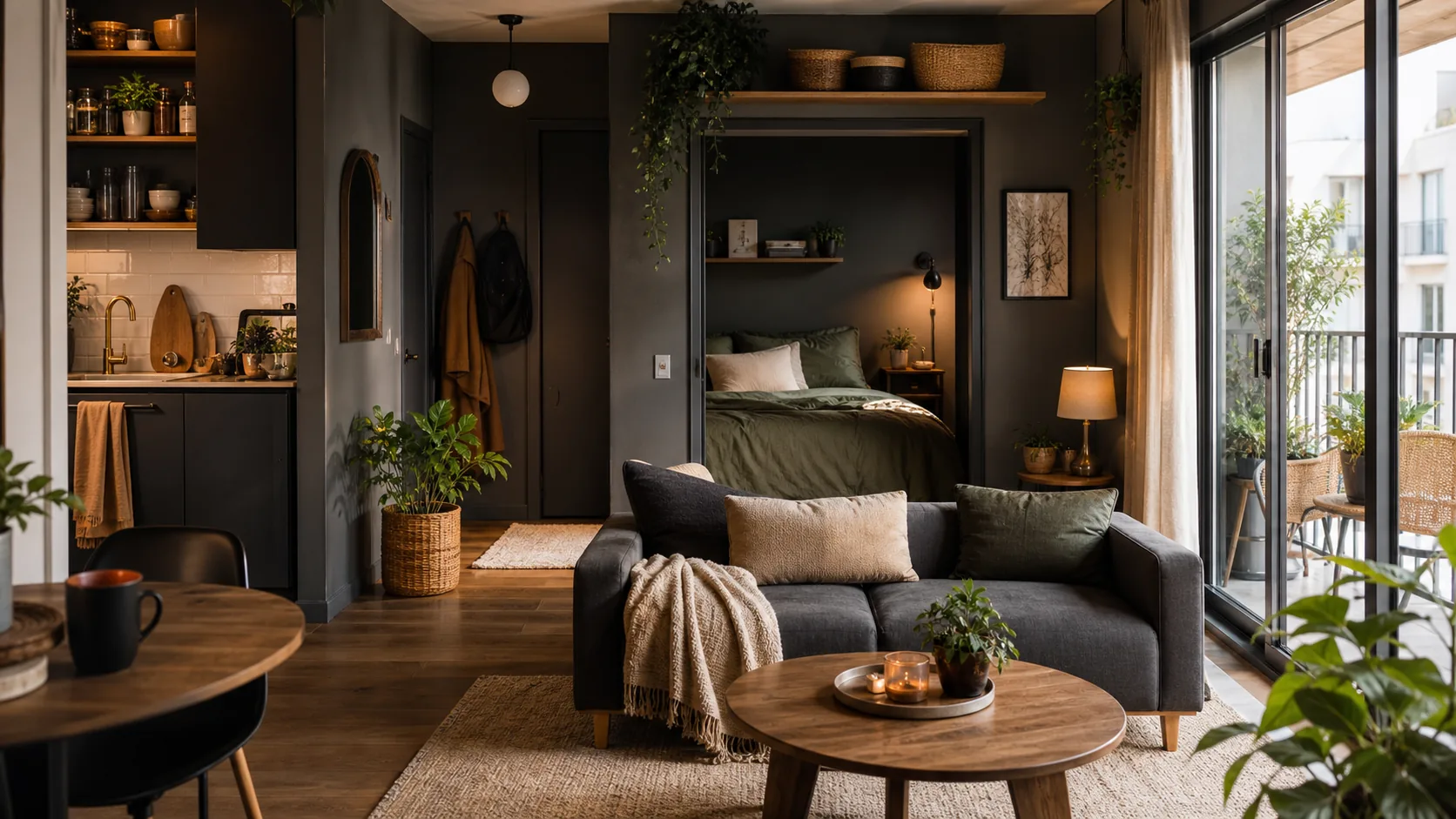
Use the deeper color where it can frame a view, recess a storage wall or give a sleeping zone a boundary. Repeat it in two or three small details so the wall feels connected rather than accidental.
Practical checks
- Sample a large removable board before painting.
- Keep task surfaces lighter than the surrounding wall.
- Use warm bulbs if the color turns cold at night.
- Protect trim and door edges so the geometry stays legible.
dark colors in small spaces works best when the limits are named with honesty. Measure the wall, doorway, shelf depth, window height, outlet position, and the path from one room function to another. In rentals, add lease rules, noise limits, wall restrictions, and move-out repair risk. In owned apartments, add building rules, elevator access, and storage for tools.
dark colors in small spaces also has emotional constraints inside the apartment. A room can be technically tidy and still feel tense if every item is visible. It can be stylish and still fail if cleaning takes too much effort. It can be full of storage and still feel cramped if heavy pieces sit at eye level.
Balance depth with lighter surfaces
Live with the sample through one cloudy day and one ordinary evening. Check faces in the mirror, the reading chair and the route to switches before committing.
Keep the scope tied to this article’s promised result: Place deeper color where light, contrast and sightlines can support it. Compare the room before and after the change by counting blocked movements, extra handling steps and objects left without a home. If one improvement creates another pile or narrows a route, reduce the plan rather than adding another container or decorative layer.
For dark colors in small spaces, use layout before product. Move the largest piece away from the tightest path. Raise storage vertically when floor area is scarce. Put closed storage near visual hot spots and open storage only where the objects look calm together.
Use contrast to clarify the room
A dark wall can make shelving recede or give a compact corner definition, but the surrounding edges still need to be readable. Repeat the color in a few small objects, keep task areas well lit and avoid spreading several unrelated dark finishes through the room.
The strongest apartment ideas survive ordinary use. For dark colors in small spaces, that means the system has to be easy to return to after laundry, groceries, guests, work calls, bad weather, or a rushed morning. Keep the reset visible. A tray tells keys where to go.
For dark colors in small spaces, maintenance needs a stopping point. A home reset that expands into a full weekend rarely becomes a habit. Pick a short cue: close the kitchen at night, clear the chair before bed, water plants on the same weekday, review the entryway each Sunday, or edit one drawer after laundry. The goal is not a perfect apartment.
Sample the color from every viewpoint
A dark color succeeds when it clarifies the room's shape and mood without asking the occupants to compensate with constant extra lighting.
Use a reader question as the final test: “Do dark colors always make a room look smaller?” The working answer is: No. A controlled dark surface can add depth, especially when lighting, contrast and sightlines remain clear. Apply that answer to the actual dimensions, lease conditions and household routine. Photograph or note the starting condition, repeat the test for several normal uses, and keep only the part that remains easy to restore.
The closing sequence for How to Use Dark Colors in a Small Space is use contrast to clarify the room followed by sample the color from every viewpoint. Do not judge the result only when the room is staged. Check it after groceries, laundry, work, guests or weather have interrupted the routine, then remove any step that depends on unusual effort or constant attention.